The HVAC Industry Is Evolving Fast
The HVAC industry is undergoing one of its most significant transformations in decades. New refrigerant regulations, smart system integration, heat pump advancements, and stricter energy codes are reshaping how contractors design, install, and maintain heating and cooling systems.
The Refrigerant Transition: R-410A to R-454B
Starting in 2025, new residential and commercial air conditioning equipment in the United States must use low-GWP (Global Warming Potential) refrigerants. The industry is transitioning from R-410A to alternatives like R-454B (sold under the brand name Opteon XL41). This refrigerant has a GWP of 466, compared to R-410A's GWP of 2,088 — a 78% reduction.
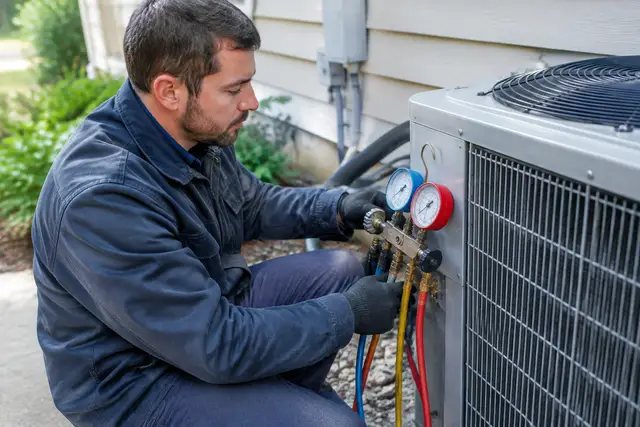
Contractors need to understand that R-454B is classified as an A2L (mildly flammable) refrigerant. This means updated safety protocols, new equipment, and additional training are necessary. Recovery equipment, manifold gauges, and leak detectors must all be rated for A2L refrigerants.
Heat Pump Adoption Is Accelerating
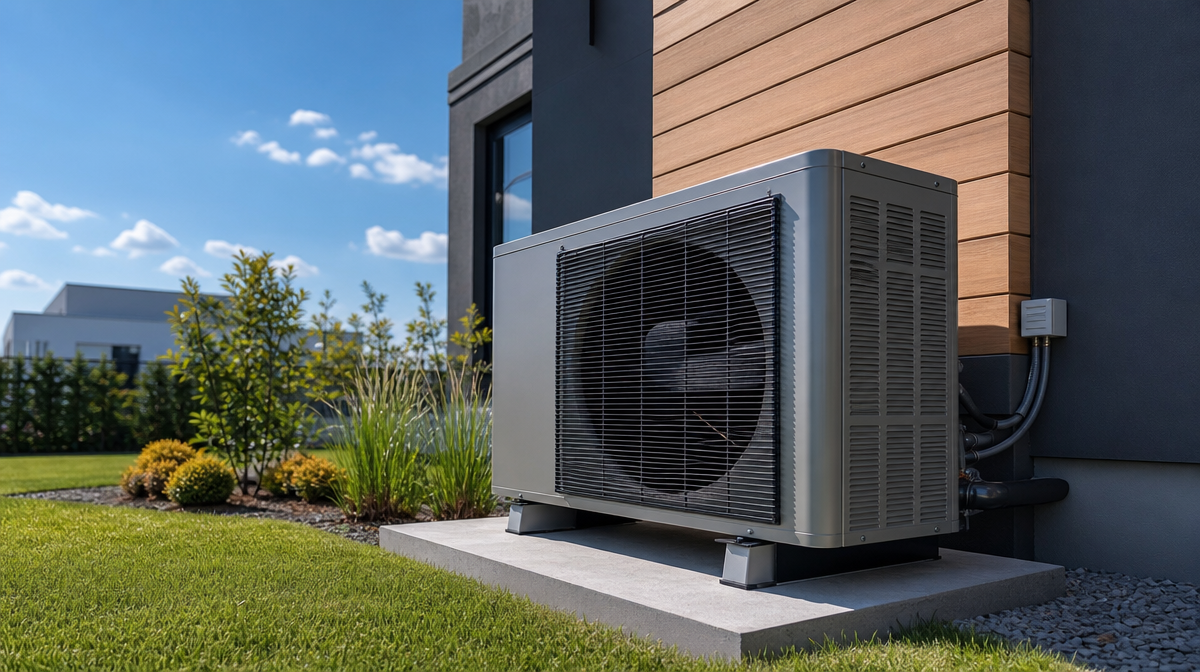
Heat pumps have become the fastest-growing HVAC technology in the country. Federal tax credits under the Inflation Reduction Act offer homeowners up to $2,000 for qualifying heat pump installations, and many states add their own incentives on top. Cold-climate heat pumps can now operate efficiently in temperatures as low as -15 degrees Fahrenheit, opening markets that were previously gas-furnace-only territory.
For contractors, this means retraining crews on heat pump installation best practices, understanding Manual J load calculations for right-sizing, and learning to sell the long-term energy savings to homeowners accustomed to traditional gas systems.
Smart Thermostats and IoT Integration
Modern HVAC systems are increasingly connected. Smart thermostats, zoning controls, and remote monitoring platforms allow homeowners to manage their comfort from anywhere. For contractors, this creates both a service opportunity and a training requirement.
Offering smart thermostat installation and setup as part of every HVAC project is now expected. Contractors who can troubleshoot Wi-Fi connectivity, configure zone dampers through an app, and explain system analytics to homeowners will stand out from the competition.
Energy Code Updates
The 2024 IECC (International Energy Conservation Code) sets higher efficiency standards for HVAC equipment. Minimum SEER2 ratings have increased, and many jurisdictions now require blower door testing and duct leakage testing as part of the permitting process. Contractors must stay current on local code adoptions, as requirements vary by municipality.
Indoor Air Quality as a Service Line
Post-pandemic awareness of indoor air quality has created a growing market for filtration upgrades, UV germicidal systems, ERVs (Energy Recovery Ventilators), and whole-home dehumidification. Adding IAQ assessments and solutions to your service menu is a low-investment way to increase project revenue.
Preparing Your Business
Invest in training now. Manufacturers offer certification programs for new refrigerants and heat pump systems. Update your inventory and tools to handle A2L refrigerants safely. And market your expertise — homeowners are searching for contractors who understand the latest technology and can guide them through the options.